














Is Yeast Protein Good or Bad for You? Benefits, Side Effects & Myths
Share
Quick answer: for most healthy people, yeast protein is a good protein source. It's a complete protein with all nine essential amino acids, it's easy to digest, and in its pure form it contains no dairy. A few groups should be more careful — people with a yeast allergy, gout or high uric acid, and anyone buying a blend without reading the label. Here's the full picture.
What Is Yeast Protein?
Yeast protein is made by growing a food-grade yeast, usually Saccharomyces cerevisiae, through fermentation, then separating and purifying the protein into a powder. The yeast is inactive in the final product. Read our full guide to what yeast protein is.
Why Yeast Protein Is Good for You
1. It's a complete protein
Yeast protein contains all nine essential amino acids your body can't make on its own, so it can support muscle repair and growth like other high-quality proteins. See what protein is in yeast for the full amino acid breakdown.
2. It's easy to digest
Many people find yeast protein lighter on the stomach than some other protein powders, with less bloating.
3. Pure yeast protein is dairy-free
Because it's made by fermentation rather than from milk, pure yeast protein contains no lactose, which makes it useful for people who avoid dairy. Many products blend it with whey or milk, though, so check the label.
4. It supports muscle recovery
Like any quality protein, it helps you hit your daily protein target, which is what drives muscle repair and growth over time.
5. It's more sustainable
Fermentation uses far less land and water than dairy or meat production.
Possible Downsides and Side Effects
Yeast protein is generally well tolerated, but it isn't perfect for everyone:
- Lower leucine than whey. Leucine switches on muscle protein synthesis. Yeast protein contains less than whey, so whey still has the edge for fast post-workout recovery.
- Yeast allergy or sensitivity. Rare, but if you react to yeast-based foods, avoid it.
- Gout or high uric acid. Yeast is naturally high in nucleic acids, which the body breaks down into uric acid. Quality yeast protein is processed to reduce them, but if you have gout or high uric acid, speak to your doctor first.
- Digestive adjustment. As with any new protein, start with a smaller serving and build up.
- Blends contain other allergens. Many “yeast protein” products also contain whey, milk or soy. Always read the full ingredient list if you have allergies.
Common Myths About Yeast Protein
“It will make my stomach bloat like bread dough.”
No. The yeast in protein powder is inactive — it doesn't ferment in your stomach.
“It causes yeast infections.”
No. Yeast protein is made from food-grade Saccharomyces cerevisiae, not the yeasts linked to infections, and it is inactive.
“It's not a real protein like whey.”
It is. Yeast protein is a complete protein with all essential amino acids.
Who Should Take Yeast Protein?
- People who want a lighter, easy-to-digest protein
- Those avoiding dairy (choose a pure or dairy-free product)
- Anyone wanting a more sustainable protein source
- Gym-goers who want to combine it with whey for steady protein release
Who Should Be Careful?
- People with a yeast allergy
- People with gout, high uric acid or kidney conditions — check with your doctor
- Anyone with milk or soy allergies buying a blended product
- Pregnant or breastfeeding women — check with your doctor before starting any supplement
Yeast Protein Options from Ripped Up Nutrition
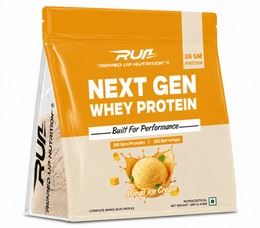
- Next Gen Protein — whey + fermented yeast protein with DigeZyme® enzymes, 26g protein per serving. Best if you want fast and steady protein in one scoop.
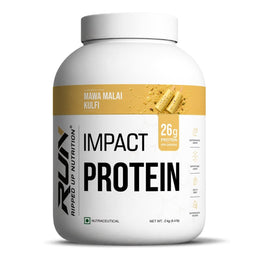
- Impact Protein — fermented yeast protein, soy protein isolate and milk solids, 26g protein per serving. A multi-source everyday protein. Read the Impact Protein guide.
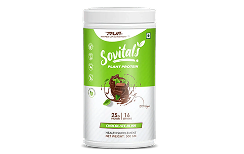
- Need fully vegan and dairy-free? Sovitals Plant Protein — 25g protein from pea and brown rice.
Still deciding? Read yeast protein vs whey protein.
FAQs
Is yeast protein safe to take every day?
For most healthy adults, yes, as part of a balanced diet and within the label serving.
Is yeast protein good for weight loss?
It can help. Protein keeps you full and helps preserve muscle in a calorie deficit. It doesn't burn fat on its own.
Does yeast protein cause gas or bloating?
Most people find it easy to digest. Start with a smaller serving if you're new to it.
Is yeast protein vegan?
Pure yeast protein is. Blends that include whey or milk solids are not — check the label.
This article is for general information. If you have a medical condition, are pregnant or take medication, consult your doctor before starting any supplement.