













Whey Protein vs Yeast Protein: Which Protein Is Better for Muscle Growth, Recovery & Health?
Share
Introduction
One should know the exact difference between the whey protein and the yeast protein before choosing any one of them. Always choose the right supplement that supports your fitness training and your ideal goal, otherwise you can find yourself stuck. Fitness industry always supports dairy extensively. A daily routine always depends upon easy digestion, muscle growth, stamina and energy. Let's find out the ultimate supplements to achieve our fitness goal and break down the best food products between whey protein vs yeast protein.
What is Whey Protein?
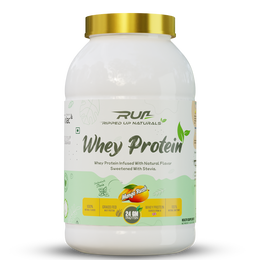
During cheese production, the milk used by the farmers is separated into solid curds, and the remaining liquid is a by-product. The leftover liquid is turned into a fine powder called whey by the manufacturers. Fitness lovers choose this whey because it is easy to digest, filled with protein and rich in amino acids. This makes whey protein one of the best choices among gym-goers and athletes. Whey protein is good for muscle gain and boosts their stamina, which is their physical. Whey protein rules the fitness world as its absorption power is great.
Types of Whey Protein
There are three types of whey proteins: Whey concentrate, Whey isolate and Whey hydrolysate.
Whey Concentrate
Whey concentrate protein powder contains 70 to 80 per cent pure protein powder by weight. It contains some lactose and milk fat, which gives a creamy texture in taste. In a sensitive individual, it can cause stomach cramps as it contains natural milk solids.
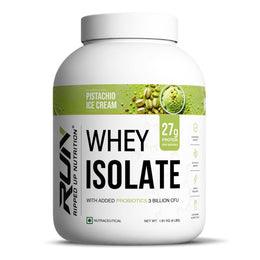
Whey Isolate
Due to excessive filtration fat and lactose were removed completely.
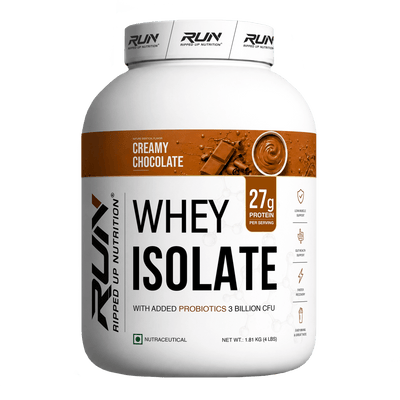
90 percent of protein content is found in whey isolate. It is a strict calorie product. The absence of lactose makes it easier to digest.
Whey Hydrolysate
Manufacturers made this product with the help of isolate then mix amino acids and enzymes. Smaller peptides are formed, which are easily digestible and athletes who want fast absorption always switch to these supplements. This fast absorption spikes insulin and nutrients directly into your muscle cells.
Nutritional Profile of Whey Protein
Whey protein is a complete nutritional protein, amino acid with leucine and rest of all 8 amino acids which plays a key role in repairing muscle growth instantly.
As you can say 30 grams of isolate whey protein provides 25 grams of pure protein which gives almost zero fat and 2 grams of carbohydrates.
Benefits of Whey Protein
There are whey protein benefits in multiple ways which helps you in rapid recovery after a heavy workout. It also fits with the busy day schedule and fills the gap of meals.
Whey protein is the best protein powder that can help you with fullness and weight control in a specific calorie control. All the amino acids present in the protein profile keep your body in an anabolic state just after a hardcore training session.
Quick absorption is the key factor that helps in quick protein for the recovery of your body tissues.
What is Yeast Protein?
Yeast protein is a plant-based protein powder made through fermentation and then processed into a best protein powder with a balanced amino acid profile and higher digestibility.
As a result the fitness manufacturers and their industries recognise this powder as a top tire plant based alternative in whey protein space.
What is Fermented Yeast Protein?
Fermented yeast protein is made with microbial fermentation, not from dairy farming, so it is a lactose-free protein powder that naturally fits vegan diets. Farmers extract this supplement from particular strains like Saccharomyces cerevisiae, which multiply their biomass rapidly because they are a single cell organism ultimately form a digestible powder.
How Yeast Protein is Produced
Yeast protein is produced in a process where yeast microbes are grown in huge stainless steel bioreactors at a controlled temperature and pH levels. The microbes consume potential nutrients and grow rapidly within hours. The biomass is then isolated and collected from the cell wall and turned into the purified final product, a clean dietary powder.
Is Yeast Protein Vegan?
Yes, yeast protein benefits as a vegan product have no dairy supplements used in it, and it suits completely vegan eaters or those people who are lactose intolerant.
This is the major difference between yeast protein vs whey protein, which follows a strict plant-forward routine or has lactose issues.
Yeast protein is entirely produced with zero animal inputs and therefore vegan safely consume this powder to hit the healthy goals.
Nutritional Profile of Yeast Protein
According to research, yeast protein is a high-quality protein that provides an essential amino acid, gives high digestibility and doesn't crash your stamina during a workout.
25 grams of protein is delivered by a standard scoop of yeast protein, as it contains moderate carbohydrates and high dietary fibre. The essential amino acid is provided by it, which is deliberately important for human muscle growth.
Benefits of Yeast Protein
The major important use of yeast protein is that it is a dairy-free protein powder that is gentle on your digestion and supports protein intake without milk and a consistent protein supplement mindset. A major physical advantage of yeast protein is that it improves your gut health with natural fibres, which feed good gut bacteria. It gives you nutrition, a perfect routine and a food system process. Due to its clean formula, it avoids all dairy-related allergies.
Whey Protein vs Yeast Protein: A Quick Comparison
|
FEATURE |
WHEY PROTEIN | YEAST PROTEIN |
| Source | Milk based | Fermentation based |
| Diet Fit | Not Vegan |
Vegan and dairy-free |
| Digestion |
Fast |
Often gentle and steady |
| Muscle Gain | Very Strong | Promising and useful |
| Recovery | Excellent | Good for daily use |
| Sustainability | Lower than yeast | Stronger sustainability story |
| Taste | Usually smoother | Can vary by product |
|
Best for |
Muscle gain and recovery | Dairy-free and vegan users |
Amino Acid Profile Comparison
One should always evaluate the raw building blocks of each and every supplement, which ensures proper recovery, because every supplement has its own benefits, like amino acids.
All nine amino acids help in recovering muscle after a tough training session. Amino acids rule in this matter and repair the daily muscle fully.
Which Protein Has More BCAAs?
According to a survey, a standard serving of whey protein contains a higher overall concentration of Branched Chain Amino Acids. Whey usually has a stronger BCAA profile which offers 5.5 grams of BCAAs. As a result yeast provides about 4.5 grams per serving. Both protein and yeast protein provide significant muscle growth.
Leucine Content Comparison
Leucine is a prominent amino acid for muscle protein as it acts as the primary power button for a new muscle tissue. Diary wins the race because it contains leucine density more than fungi derived powder.
Diary has 11% of leucine whereas fungi derived powder has 6 to 8% of leucine.
Essential Amino Acids
Muscle repair and body growth depend on protein supply which should be consistent throughout the day. Both whey protein and yeast protein contain essential amino acids. As we know our body cannot produce essential amino acids internally so we must take supplements or by-products which fill this gap.
We must take some supplements or food products which helps to fill the gap of protein in our body. Both whey protein and yeast protein contain all the nine essential amino acids in high amounts which support full body functions and maximizes physical activities and recovery.
Is Yeast Protein a Complete Protein?
Yes, yeast protein is a complete alternative to whey protein as studies show. It provides every necessary amino acid which other standard plant based sources can't provide. You do not have to mix the powder with any mixture or substance.The supplement alone is enough for muscle build up.
Digestibility and Absorption
Any supplement or powder should be easily digestible because digestion is the main comfort which one needs. The protein supplements should be easily broken down to see its physical results as it shows the comfort level of the product. As a result comparison between whey protein for muscle gain and yeast protein for digestion is relatable.
Which Protein Digests Faster?
Obviously, whey protein digests faster, that is why people always opt for it. Milk products digest extremely fast as it enters your bloodstream within a couple of minutes, after drinking the shake.On the other hand the fungi alternatives digest at a moderate speed.
Does Whey Cause Bloating?
Yes, it can .It depends as many individuals are lactose intolerant and it can cause severe bloating and gas. Standard dairy concentrate or even highly filtered isolate form causes stomach inflammation and is irritable.
Is Yeast Protein Easier on the Gut?
Yes, yeast is easier on the guts because it's a dairy free protein powder that doesn't contain lactose like all standard dairy allergens. As a result most users report no stomach bloating, no gas and no post shake heaviness.
Protein Absorption Rate Comparison
Whey protein is faster than dairy, as it shoots up amino acid levels in your blood quickly. But this shot up drops off after a couple of hours. Whereas fermented powder improves blood amino acid levels consistently and muscular repair.
Muscle Growth & Recovery
Continuous workouts and physical exercise bring your energy down, and you instantly need the best protein powder in the gym, which revives you quickly and enhances your stamina. A good protein powder always repairs your damaged muscle instantly.
Which Protein Builds Muscle Faster?
Whey protein usually holds the quality as it dissolves quicker than fermented powder and accelerates your speed. Dairy products build muscle faster and is always promoted by fitness lovers and manufacturers.
Which Protein is Better After a Workout?
Whey is the ultimate product that is better after a workout. Dairy products have an immediate absorption, which hits your muscles exactly when the energy is needed.
Other post-workout powders work well but the speed of nutrient absorption is slow.
Scientific Research on Muscle Protein Synthesis
Research analysis always confirms whey protein maximises muscle protein synthesis perfectly during training or any heavy physical exercise. Whey has been a trusted product for a long time whereas yeast protein powder is a new, promising product.
Whey Protein vs Yeast Protein for Weight Loss
Dairy products can spike your energy for two to three hours instantly. On the other hand, recent surveys suggest yeast protein powder works over a full 24-hour period.
As we know, high protein helps us to restore muscle mass, but also increases body fat. Let's check whey protein vs yeast protein for weight loss.
Satiety
As we know, fermented powder keeps you full for a longer period of time. Actually, natural fibre expands and slows down digestion which helps in delaying hunger. Dairy digest rapidly and suppress your food longings for a time period.
Calorie Comparison
Calories vary in different brands according to serving scoop. So label reading matters. Each of them hover around 110 to 130 calories per scoop.Only isolated protein is slightly low on the overall calorie Meanwhile alternative protein contains a few extra calories.
Fat Loss Support
No dietary protein supplement can reduce your muscle mass, it is only there to control your cravings for food and help you stay full and keep up your protein intake.
Both whey protein and yeast protein maintain lean mass during calorie deficits. Sugar cravings are easily controlled by fermented protein.
Which Protein is Better for Different Goals?
One must always systematically synchronize his supplements choice according to their particular physical target.
Muscle Gain
The pure isolate whey protein always comes first, as it gives you muscle gain. The absorption speed and leucine density push rapidly and increase your cellular adaptation. Yeast protein for muscle gain works extremely well if you combine it with a daily caloric surplus.
Weight Loss
The fermentation process always wins a fat loss process as its satiety factor stops you from disturbing your strict diet. Blood sugar stabilises due to the natural fibre, and it also stops the afternoon energy downfall.
Lean Muscle
Each of the options is best to build lean tissue, as dairy has good absorption power and fungi alternatives fill your meal gap.
Athletic Performance
Endurance athletes prefer the fermented powder that supports long training sessions. Power athletes choose dairy for rapid force recovery. This makes yeast protein for athletes highly effective.
Which One Should You Choose: Whey Vs Yeast
-
For muscle gain, whey is the stronger option.
-
For lactose intolerants, yeast protein fits better.
-
For vegans, yeast protein is the clear choice.
-
For digestion, yeast protein feels easier.
If budget matters, whey is at a lower price.
For readers who want more protein guidance, check Ripped Up protein, protein Supplements, and Preworkout Supplements. For brand placement, Ripped Up can be added as a natural wellness reference.
GTA, Next Gen Fermented Yeast Protein, Whey Protein isolate, and the Ripped Up product page, .