













What Protein Is in Yeast? Yeast Protein Amino Acid Profile Explained
Share
Quick answer: the protein in yeast is a complete protein — it contains all nine essential amino acids. Yeast protein is especially rich in lysine and glutamic acid, contains a moderate amount of leucine, and is naturally lower in the sulphur-containing amino acids methionine and cysteine.
What Is Yeast Made Of?
Yeast is a single-celled fungus. A yeast cell is made up of protein, carbohydrates (mainly in the cell wall), nucleic acids, fats, vitamins and minerals. Protein is one of its largest components, which is why yeast can be fermented, harvested and processed into a concentrated protein powder. Learn how yeast protein is made.
What Protein Is in Yeast?
Yeast doesn't contain one single protein. Like all living cells, it contains many different proteins — enzymes, structural proteins and more. When these are extracted and purified, the result is a protein powder whose value comes from its amino acid profile: the building blocks your body uses to make its own proteins, including muscle.
The Amino Acid Profile of Yeast Protein
Essential amino acids (your body can't make these)
Yeast protein contains all nine:
- Leucine — the key trigger for muscle protein synthesis. Yeast protein contains a moderate amount, typically less than whey.
- Isoleucine and valine — the other two branched-chain amino acids (BCAAs).
- Lysine — yeast protein is notably rich in lysine, which many grain proteins lack.
- Threonine, phenylalanine, tryptophan, histidine — all present.
- Methionine — present, but lower than in animal proteins.
Non-essential amino acids
Yeast protein is also rich in glutamic acid and contains aspartic acid, alanine, arginine and glycine, among others.
Is Yeast Protein a Complete Protein?
Yes. A complete protein contains all nine essential amino acids in useful amounts. Yeast protein meets that standard, which sets it apart from many single-source plant proteins such as rice or pea on their own.
How Does Yeast Protein Compare?
| Feature | Yeast Protein | Whey Protein | Pea Protein |
| Complete protein | Yes | Yes | Close (low methionine) |
| Leucine | Moderate | High | Moderate |
| Lysine | High | High | High |
| Methionine | Lower | Good | Low |
| Dairy | None (pure form) | Yes | None |
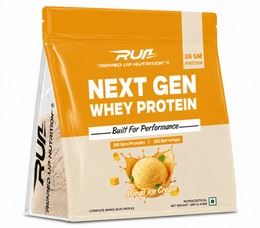
Because yeast and whey have complementary strengths, blending them gives you whey's leucine and fast digestion together with yeast protein's steadier release. That's the idea behind Next Gen Protein.
What About Nucleic Acids?
Yeast is naturally high in nucleic acids (RNA), which the body breaks down into uric acid. Quality yeast protein is processed to reduce them, but people with gout or high uric acid should check with their doctor. See is yeast protein good or bad for you.
Yeast Protein Products from Ripped Up Nutrition
- Next Gen Protein — whey + fermented yeast protein with DigeZyme®, 26g protein per serving.
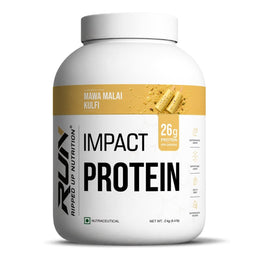
- Impact Protein — fermented yeast protein, soy protein isolate and milk solids, 26g protein per serving. Read the Impact Protein guide.
FAQs
What is yeast protein made of?
It's made from the protein extracted from food-grade yeast grown by fermentation. That protein supplies all nine essential amino acids.
Which amino acid is yeast protein richest in?
Yeast protein is especially rich in glutamic acid and lysine.
Does yeast protein have BCAAs?
Yes. It contains all three BCAAs — leucine, isoleucine and valine — though typically less leucine than whey.
Is nutritional yeast the same as yeast protein?
No. Nutritional yeast is whole, deactivated yeast flakes. Yeast protein is a concentrated protein extracted from yeast, so it delivers much more protein per serving.